
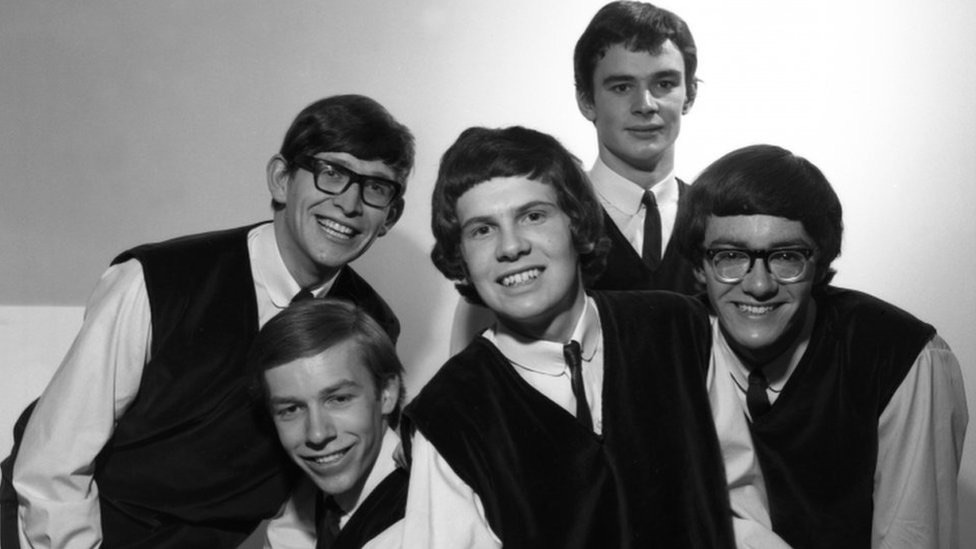
The Zombies were a part of the British Invasion of America, all those years ago. But where did they go? Their story is a fascinating one, although somewhat bittersweet. After watching the recent documentary, The Zombies: Hung Up on a Dream, and acquiring Odessey and Oracle, I have a greater appreciation for the band.
The Zombies are probably best remembered for such tunes as “She’s Not There”, “Tell Her No” and “Time of the Season”, yet there is more to the band than just those three songs.
Members of the classic lineup, 1962-1967 were:
Rod Argent – keyboards, lead and backing vocals
Colin Blunstone – lead and backing vocals, tambourine, occasional guitar
Hugh Grundy – drums, percussion, occasional backing vocals
Chris White – bass guitar, backing and occasional lead vocals
Paul Atkinson – guitar, occasional backing vocals
The Zombies were more like the Beatles and the Hollies than the Kinks or the Rolling Stones, their tunes were very melodic and the vocals smooth and layered. Lead vocalist Blumstone had a soulful and breathy voice, but could switch on the power instantly. His vocal style added to the mystery and longing that were sometimes at the heart of their songs. Keyboardist Rod Argent and bassist Chris Young were the main songwriters in the band, contributing creative and defining melodies that matched well to Blunstone’s voice.
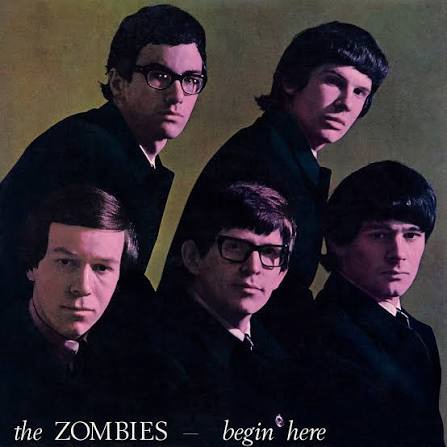
Signed to Decca Records they released several songs on an EP (extended play) disk that didn’t do much. Their first album The Zombies (1965) featured two previously released singles “Tell Her No” and “She’s Not There”, two Top Ten singles in America, which seemed to love the band more than their home country of England. What made The Zombies different than many English bands at the time was the fact that their singles were written by them, not outsiders, something that the Beatles had done before them.
Tours of America were eye-opening for the band, but success did not follow. Like so many artists of the era, signing bad deals at an early age, prevented them from realizing any financial rewards.
They regrouped and recorded one more album, but budgetary issues and creative differences splintered band relationships. Recording took place at Abbey Road Studios, the Magic Kingdom of the Beatles, during the months of June-August, 1967. Bristling with ideas, the band put all they could muster into the recording, having to supplement the budget themselves to finish it. Two singles from what would become Odessey and Oracle (1968).
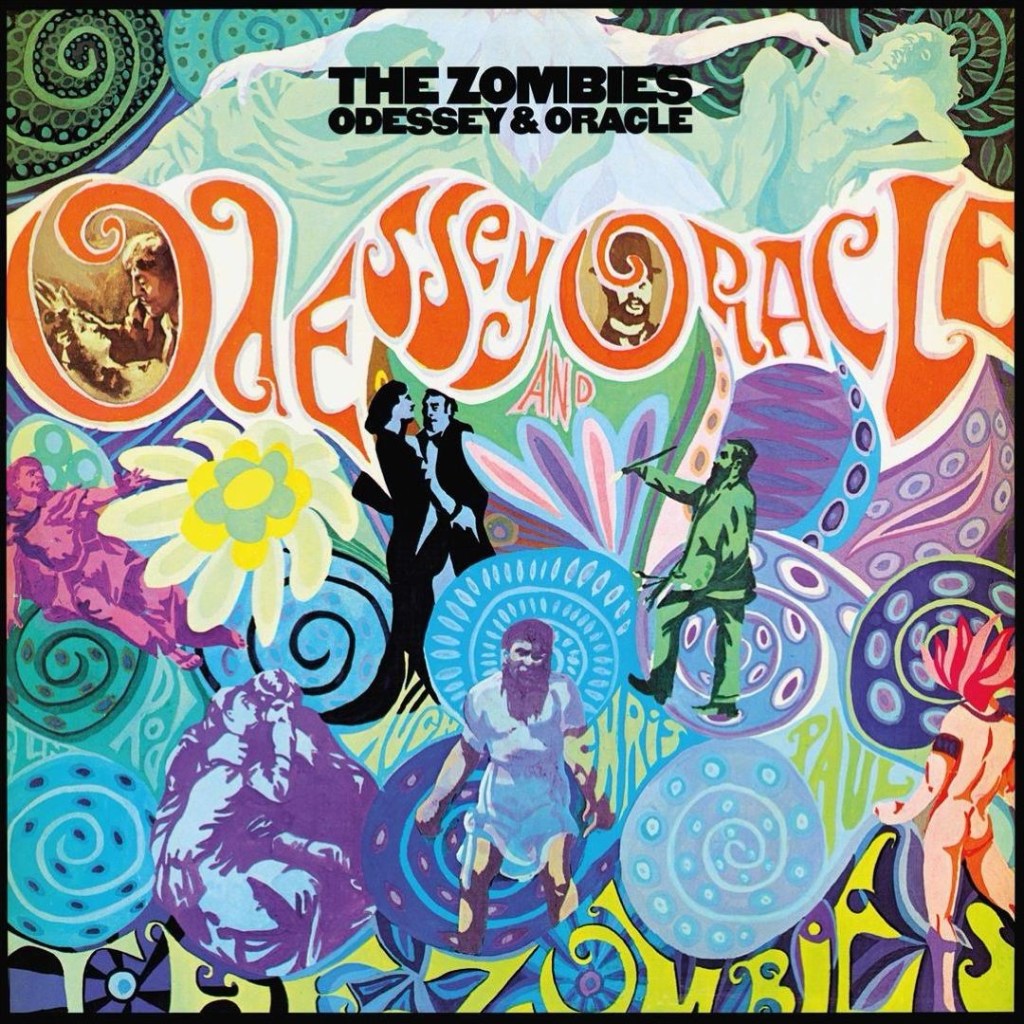
All music.com wrote: Even under less-than-ideal conditions, however, Odessey and Oracle tapped into a very specific balance of mysterious, moody vocal harmonies, Baroque instrumentation, joyful sunshine pop, and lovelorn songwriting so sadly beautiful that these 12 tunes remain fascinating and unique over 50 years later.
With little success on the charts or demand for live shows, the band reached a fork in the road. Guitarist Paul Atkinson would leave the band to become a record label A&R man. When Odessey and Oracle was released in the spring of 1968, it made no dent in the charts. In America, the album was released on a small subsidiary of CBS with virtually no marketing support. The third single from the album, “Time of the Season” initially garnered little interest, until one DJ in Idaho started playing it, then gradually a few more. The song slowly climbed the chart to reach number three on the Billboard chart and number one on Cash Box.
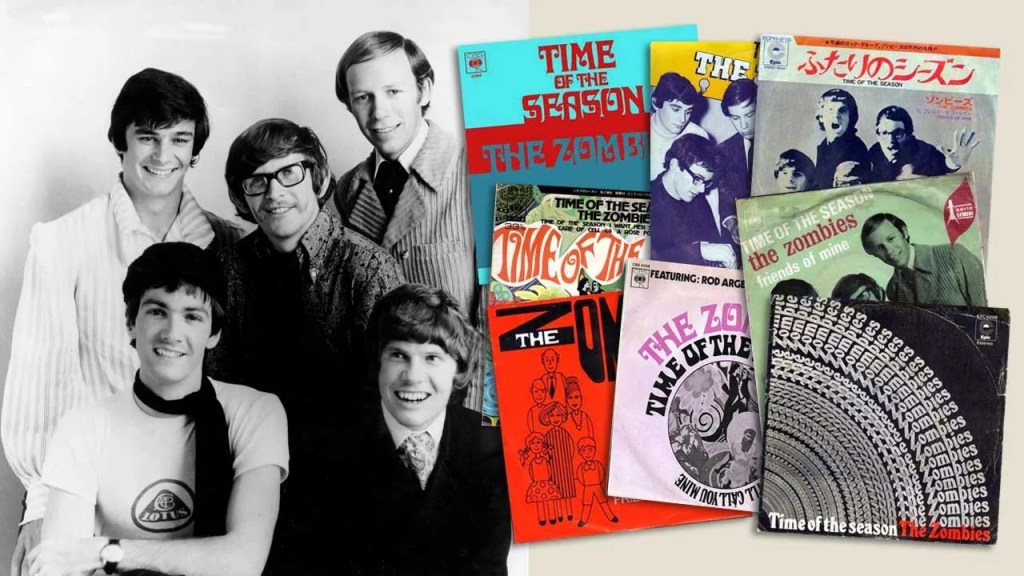
Unfortunately, The Zombies had broken up as band members moved on to other projects. Odessey and Oracle never became a big seller, but its reputation only grew with the years.
In 2017, the four surviving members of the band regrouped to play Odessey and Oracle in its entirety, for the very first time, in a group of tour dates. Blunstone and Argent have played with various lineups as The Zombies since 1991, even releasing several albums of new material.
The Rock and Roll Hall of Fame came calling in 2019, inducting the band.
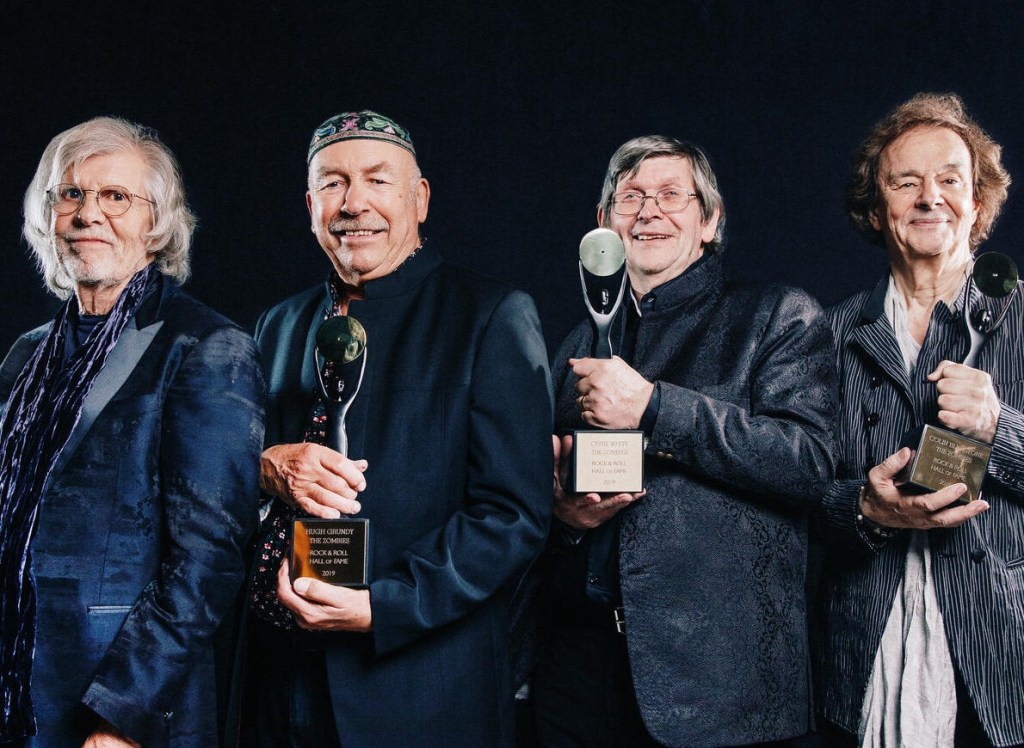
Through the years, Blunstone maintained a solo musical career after leaving the band in 1968, and appeared on a number of songs on albums by The Alan Parsons Project (“Old and Wise”). Argent formed the band named after him, one of their notable songs was 1973’s “Hold Your Head Up.” He also had a solo career and lent his ferocious Hammond B3 organ to many artists’ recordings. Bassist White worked with Argent as a songwriter and producer. Drummer Grundy followed Atkinson into the A&R world. Atkinson passed away in 1991.
There’s a great documentary film about the band, The Zombies: Hung Up on a Dream (2023) that is available on Amazon Prime. Check it out.
Here’s a shorter version on their story on CBS Sunday Morning.
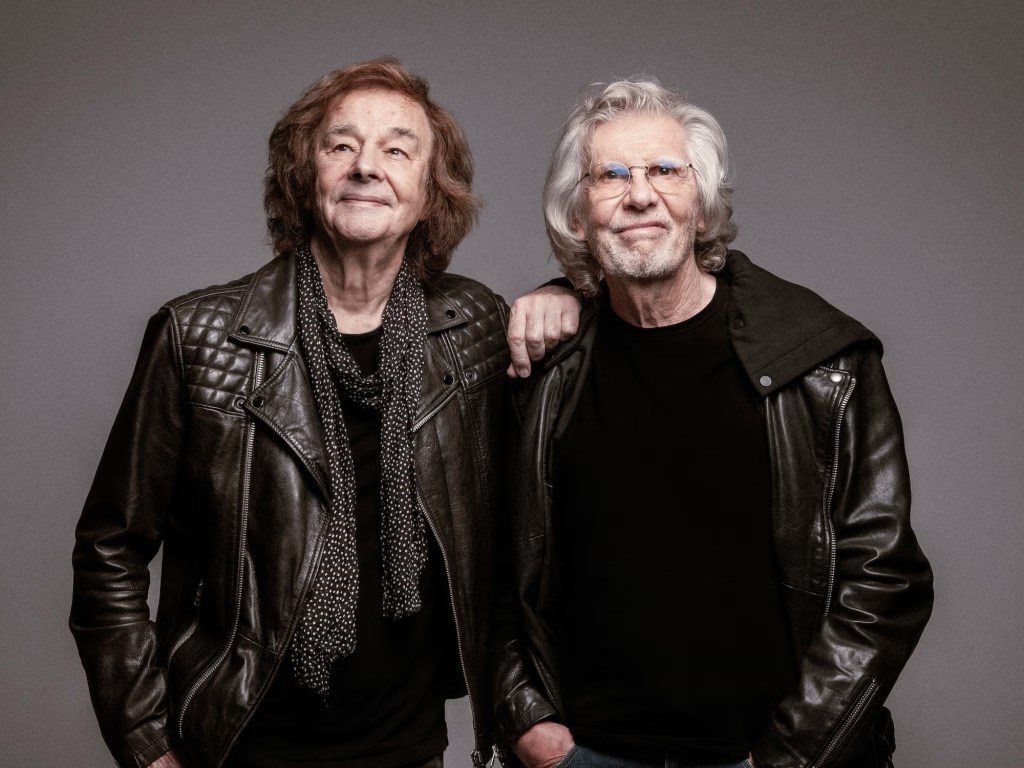
For the first time, I’ve looked past the few singles that I know to other material The Zombies have recorded. There’s a beauty to their music and Blunstone’s voice gives the songs an airy quality that lifts the music Argent and White crafted. Great work, gentlemen!


Leave a Reply