

I’ve been a fan of J.J. Cale for many years, collecting a few of his albums, but never digging very far into his life and career. I knew he wrote songs that other artists covered, but primarily he was an artist in his own right.
J.J. Cale’s musical style is tough to quantify. Tom Waits also such a kaleidoscope of influences, unique mixtures that sound like no one else. Acquired tastes? Yes. Cale represents the “Tulsa sound,” that thing that Leon Russell was known for. Tulsa was a magnet for musical genres flowing together because Tulsa was a sort of cultural weigh station.
Cale never really attained stardom, mostly because he didn’t want it, but he did want to write and record. Other people noticed him and made him famous when they recorded his songs.
“After Midnight” and “Cocaine” were songs written by Cale and recorded by Eric Clapton, the former, on Clapton’s first solo album (1970), and the latter on his Slowhand (1976) mega hit album. The song that really caught my attention though was “Magnolia,” from Cale’s debut album, Naturally, but covered by the band Poco in 1972. I loved their aching, melancholy version with steel guitar by Rusty Young. Poco would play that song live for decades and it never lost its appeal.
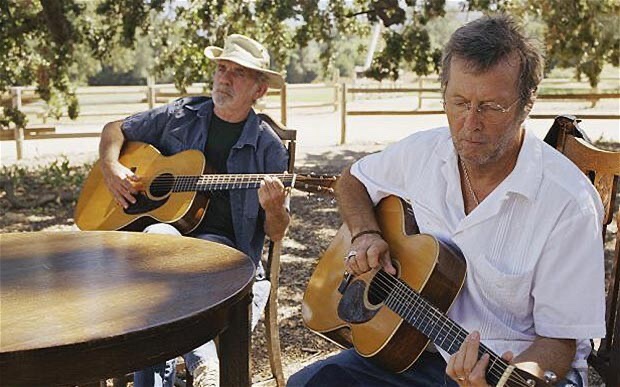
In an interview with USAToday after Cale’s death, Clapton described Cale’s style as “someone sitting on your shoulder, singing in your ear. He intended to make you listen, like he was singing to himself. He found a way to put that on record. His music drew you in. It was a private experience.”
As much as I loved the songs covered by other artists, Cale had a distinctive, easygoing style that embraced the songs he wrote. Listening to various recordings from his career, the inner core of his songs never deviated much from what made him noticeable in the first place. That’s probably what kept him from being a bigger star.
“I started to feel mildly outraged that he hadn’t got the recognition that, at least I thought, he should have had,” Clapton told NPR. “He plowed a furrow that was unique and that’s the way he wanted to be, to have a quiet life. But, I still felt that he deserved more recognition, at least in his own country.”
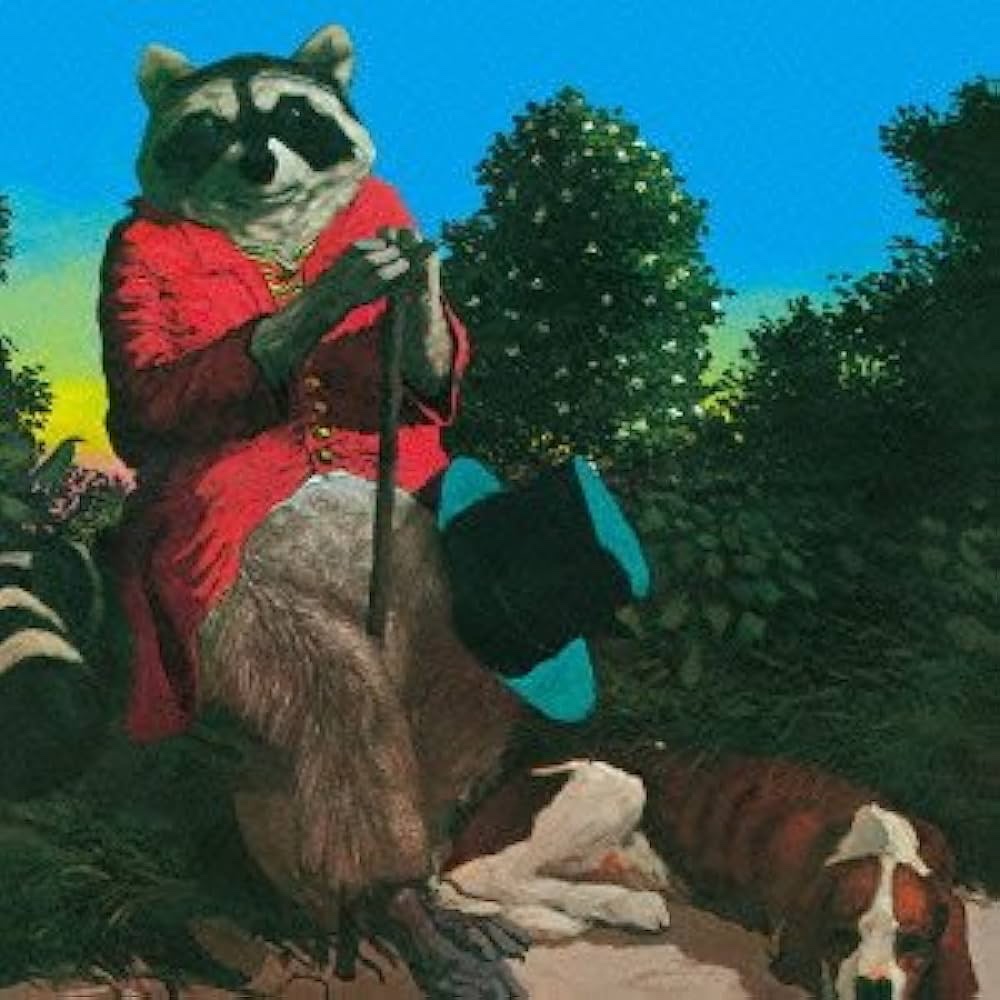
Naturally (1971) features “Call Me the Breeze,” which was made famous by Lynyrd Skynyrd, “Magnolia,” “After Midnight,” and “Crazy Mama,” a moderate success by Cale. It was Clapton’s version of “After Midnight” that enabled Cale to record his first album and rescued him from being a former recording engineer and struggling songwriter.
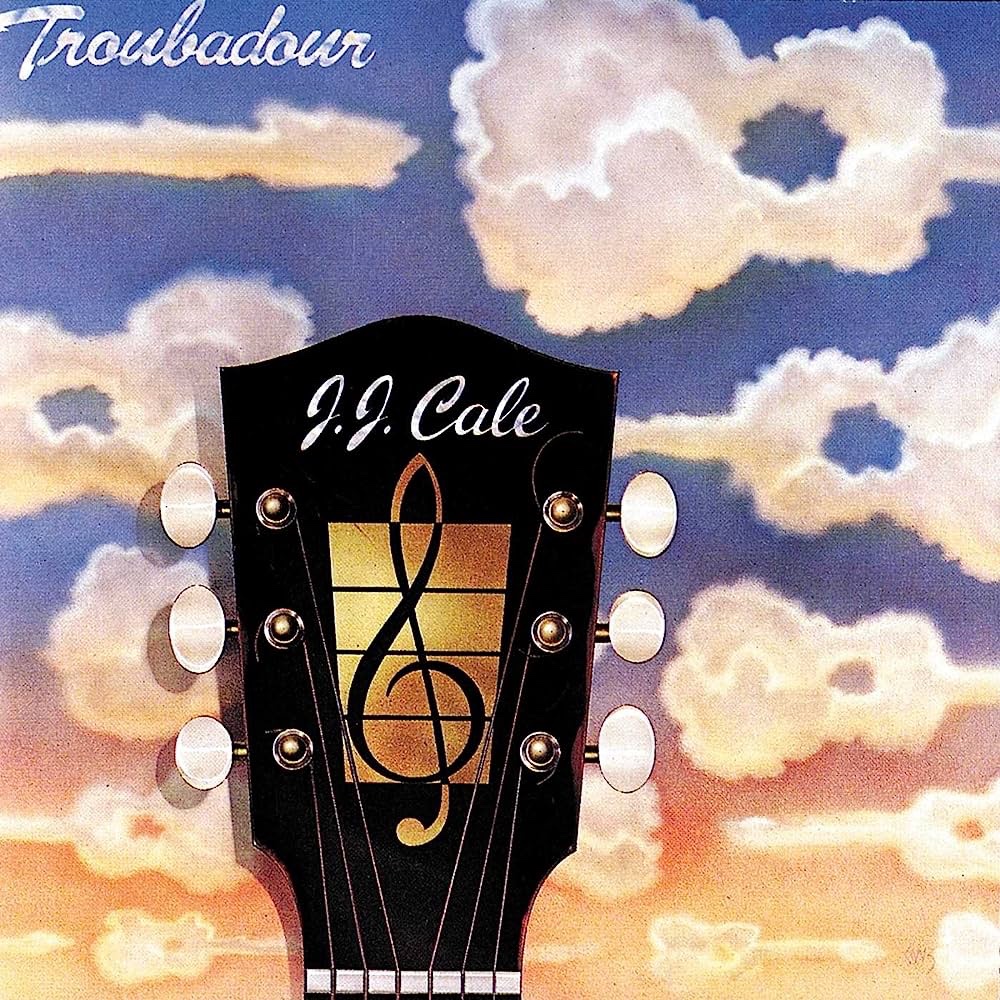
Troubadour (1976) is a rock-solid mix of blues, R&R and that Tulsa rockabilly shuffle. Every song on it is interesting and original. “Cocaine” is the most well-known track, but there are other gems.
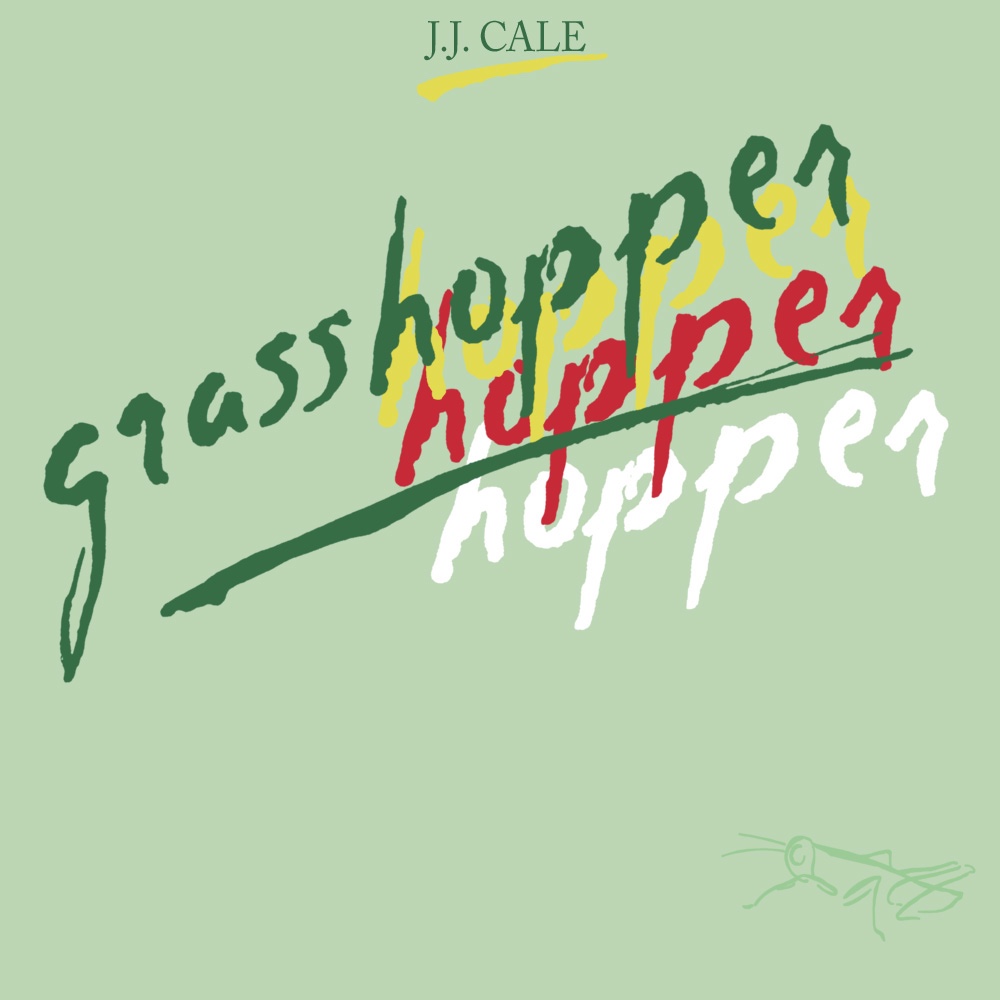
Grasshopper (1981) was the first Cale album I bought and I hadn’t heard it before I bought it. Not a disappointment. At the time I struggled to define his style because it wasn’t like anyone else. The Band? Dylan? Clapton?
Cale invents grooves and musical nuisance that fly under the radar. The songs are short, get to the point and offer the usual riff and groove, but the production here is a bit more polished and pop-oriented, such as “City Girls” and “You Keep Me Hangin’ On.” Horns, steel drums, vibraphone and other flourishes pop up. When he wants, Cale can write a haunting melody, something amazingly beautiful, but that’s really his bag.
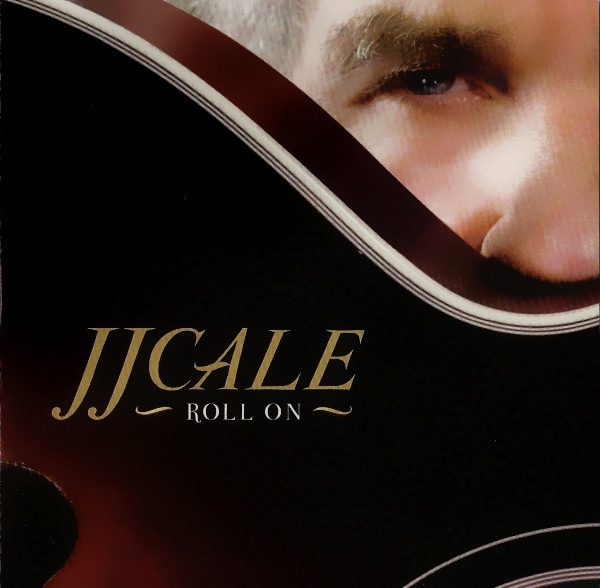
A later album, Roll On (2009), sounds as if it could have been recorded 25 years earlier. What’s interesting is that Cale plays all the instruments on most songs, including drums. There is a strong presence of keyboards on this collection, including drum machines and programmed synthesizers. The familiar, bluesy shuffle groove is there, the one Eric Clapton copied. This album is not bad, the songs are comfortable, like that broken-in pair of weekend jeans. Production-wise, this sounds like a home-recording, fade ins and outs.
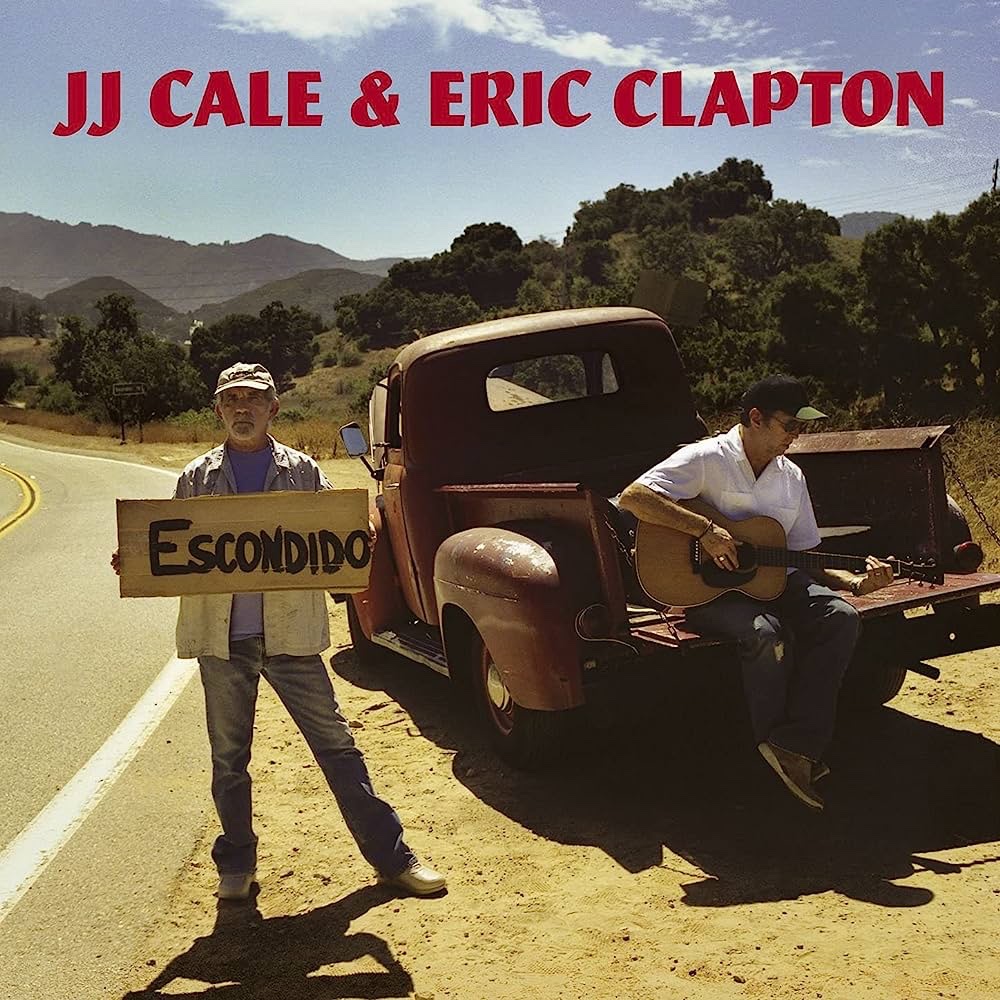
The Road to Escondido (2006) is the long-awaited pairing of Cale and Clapton, although it’s mostly Cale writing the tunes, which may have been the intent. Cale and Clapton were awarded Grammies for this album, unfortunately the only one in Cale’s collection.
The playing is first rate, the contributing musicians include Steve Jordan, Billy Preston (his last session), Willie Weeks, Nathan East, Taj Mahal, Albert Lee, John Mayer, Derek Trucks and Doyle Bramhall II. It’s a first class project, this is what Clapton brings to the table.
Cale and Clapton blend so well it can be difficult telling their parts apart. It’s unfortunate that such musical brothers had not recorded an album together before.
Songs like “Hard to Thrill” show how original they can sound playing the blues, not a cover or a retread, but something organic and moving. “Last Will and Testament” is another standout track, modest, but delivers. “Heads in Georgia” is another slow, smoking blues original.
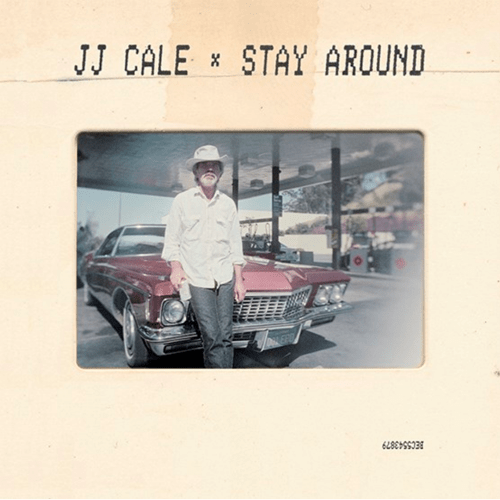
J.J. Cale’s last album of original material was released six years after his death, Stay Around (2019). The 15 songs are as comfortable as anything he’s released, although the recording varies from song to song. These are better than demos, but the recording quality varies. Right up to the end of his life, Cale never highlighted his singing. Double-tracked and mixed low, his voice was just another instrument. These might not be the strongest set of songs in his collection, but if you are a fan, they are worth the listen. “Tell Daddy” is my favorite song on the album.
A live album, Eric Clapton Live in San Diego with special guest JJ Cale), originally recorded in 2007, was released in 2016. Cale is featured on five songs, including “After Midnight” and “Cocaine.” There was no tour promoting the Cale/Clapton Road to Escondido so this was one of the tributes Clapton paid to Cale after his death.



 Ticket 2 Ride
Leave a comment