

An artist or band tries something different or the next project happens to be a home run, or the monster hit was the previous release. Albums get overlooked for a variety of reasons: lineup changes, the end of a record deal, a lead single doesn’t chart, the band increases or decreases the production values, or the artist tries something that doesn’t quite jive with their fandom. It happens. Sometimes the album is simply forgotten and settles into the back catalog.
Here are 25 albums that I haven’t forgotten, albums that serve a valuable place in that artist/band’s legacy.
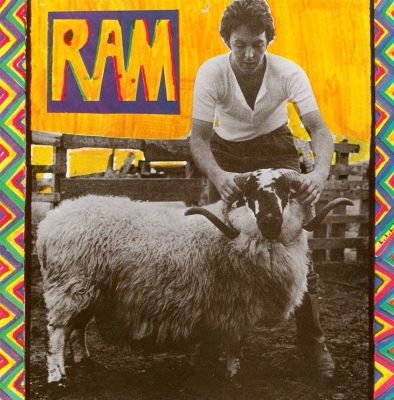
Ram, Paul & Linda McCartney (1971). This is the solo album, not a Wings album, that gets little airplay and rarely includes in McCartney’s live set list. It did have the number one hit “Uncle Albert/Admiral Halsey”. When has that song been played in his concerts? The songs may be a little cutesy at times, which is a McCartney trait, but the songs are solid and the performance is superb.
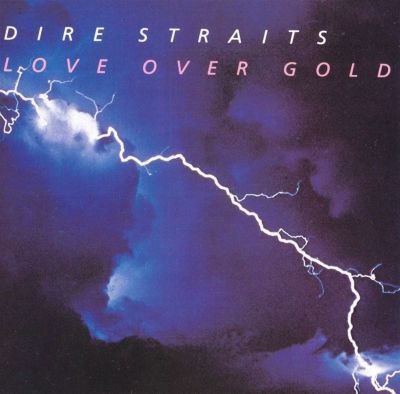
Love Over Gold, Dire Straits (1982). Allmusic.com’s review is spot-on: “Since Mark Knopfler is a skilled, tasteful guitarist, he can sustain interest even throughout the languid stretches, but the long, atmospheric, instrumental passages aren’t as effective as the group’s tight blues-rock, leaving Love over Gold only a fitfully engaging listen.” This is a serious album, no “Money for Nothing” or “Walk of Life”. If you want to go deep into Knopfler’s thought process; the words and music tell stories.
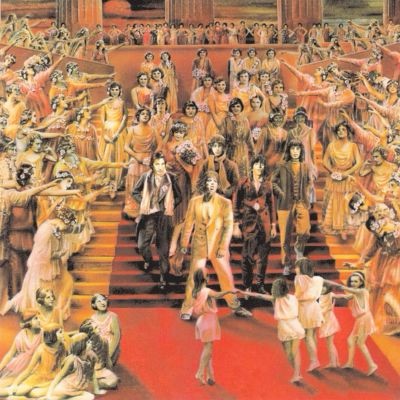
It’s Only Rock and Roll, The Rolling Stones (1974). The end of the Mick Taylor iteration of the band. This album had no ballads like “Angie” or kickass rockers like “Brown Sugar”. There were some excellent songs, they just didn’t fit their template of the past several albums. Mick Taylor’s guitar was on fire.
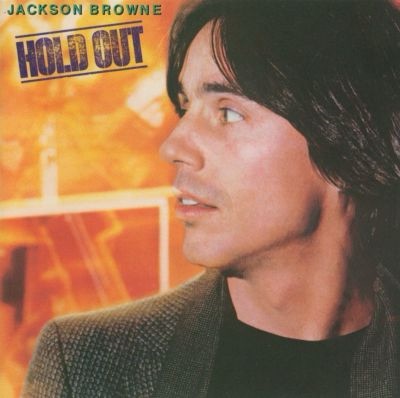
Hold On, Hold Out, Jackson Browne (1980). Running on Empty was a fun and rocking album. Hold On, Hold Out is a serious and finely crafted one. The difference stylistically is like night and day. Running was 70s denim and party, Hold On is 80s gloss and thin ties. Beneath the seriousness are some rocking and thoughtful songs, enough to push this album to the top of the charts. He plays a couple of album tracks occasionally in concert, yet this album is rarely mentioned by fans.
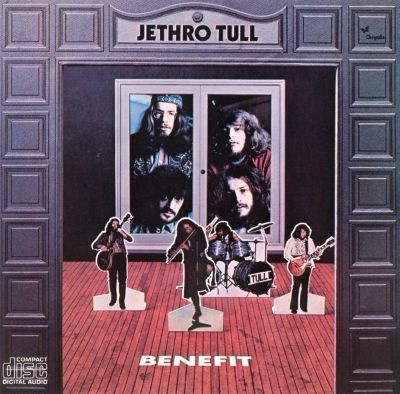
Benefit, Jethro Tull (1970). This band was on fire during the 1970s, especially the first half of the decade. I’m partial to this album because I spent a summer listening to it. No hit singles, no “Aqualung” or “A New Day Yesterday” offbeat delight “Bouree.” Yet, every song on Benefit crackles with energy and incredible melodies. A decade later, a band named R.E.M. would sizzle with electric folk/rock in a similar fashion to Tull’s bluesier version of it. Benefit is rarely mentioned in the shortlist of best Tull albums. Why?
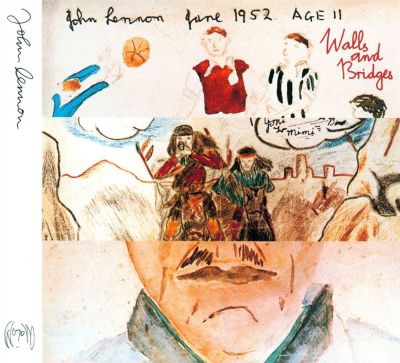
Walls and Bridges, John Lennon (1974). Remember “What Ever Gets You Thru the Night”? It was Lennon’s only chart topping solo hit. While the album was mostly a product of Lennon’s separation from Yoko, it’s a brighter and warmer album than Mind Games. Lennon would retire from music for five years so this album was forgotten after its run.
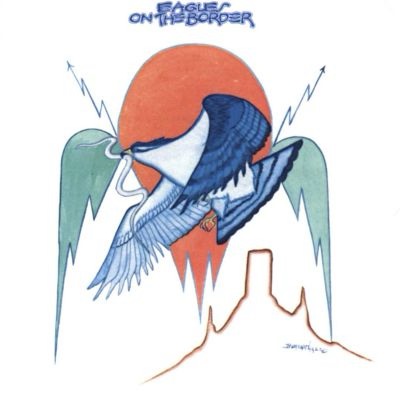
On the Border, Eagles (1973). A forgotten Eagles album, how can that be? Called a transition album, change of producers, new band member (Don Felder), bubbling tension between the country/rock and hard rock sides of the band. “Already Gone” and “Best of My Love” were big singles, and the other tracks were solid too. This is the last Eagles album where they were loose, raw and fun.
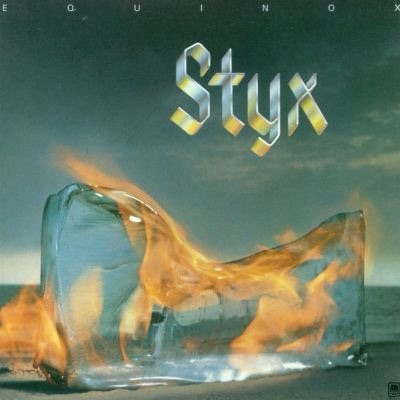
Equinox, Styx (1975). This album rocked, but was it hard rock or progressive rock? On the next album, Tommy Shaw would replace John Curulewski, and the band’s sound would begin to change, as would their album sales and airplay. Equinox showed a leap in songwriting and performance, and offered some fine tunes in “Lorelei”, “Light Up” and “Suite Madame Blue”.
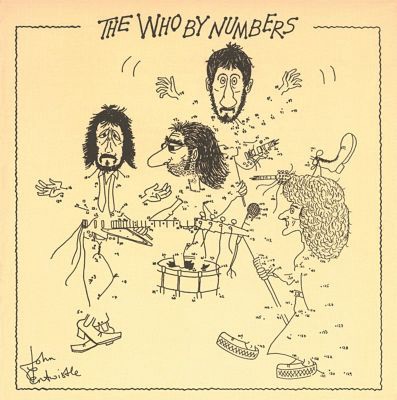
The Who By Numbers, The Who (1975). After Tommy, Who’s Next and Quadrophenia, the Who delivered what many called a disappointment. It certainly lacked the energy, bombast and vision of these earlier albums. Pete Townshend turned inward for song ideas, and the stripped-down production contributed to the lack of excitement for The Who By Numbers. I have always enjoyed this album, its sound is raw and without unfiltered. Glyn Johns produced.
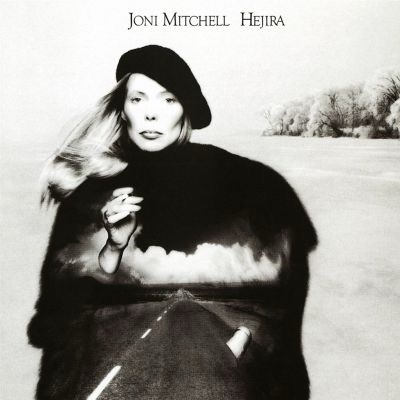
Hejira, Joni Mitchell (1976). Young musicians used to strum Mitchell songs, but as her guitar tunings and chords became more and more complex, her audience changed. If you expected the straightforward Blue or radio-ready Court and Spark, you’d swear you were listening to some jazz album. Mitchell had been playing with members of the L.A. Express, a jazz-rock group, using these on her prior album and now Hejira, with the addition of jazz-fusion bassist Jaco Pastorius, whose playing really soars on this album.
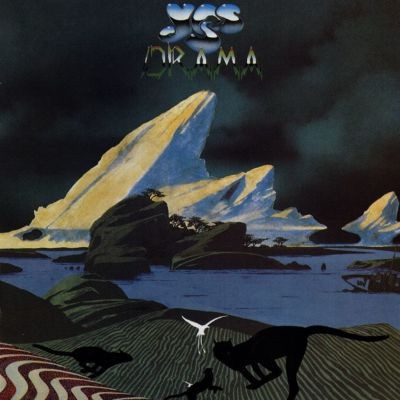
Drama, Yes (1980). Yes was broken up when the idea for this album was begun. Remnants of Yes joined with Buggles Trever Horn and Geoff Downes to be the new Yes, at least for one album. I like Drama a lot, always have. Many don’t consider this a legit Yes album, but recharged their sound for a rebirth in the 1980s. Personally, I like this album better than their 1980s sound.
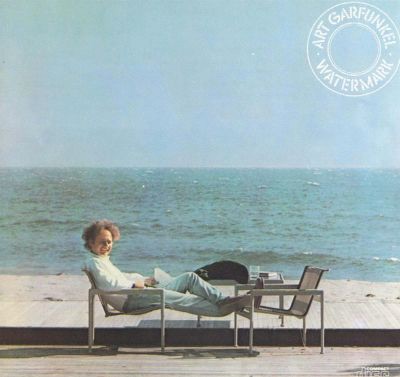
Watermark, Art Garfunkel (1977). An entire album of Jimmy Webb songs, except “What a Wonderful World” featuring Paul Simon, James Taylor and Garfunkel on vocals. Jimmy Webb told me that Garfunkel was extremely picky and kept working the sessions till he got that precise sound he heard in his head. It’s a beautiful album that emphasizes his incredible voice.
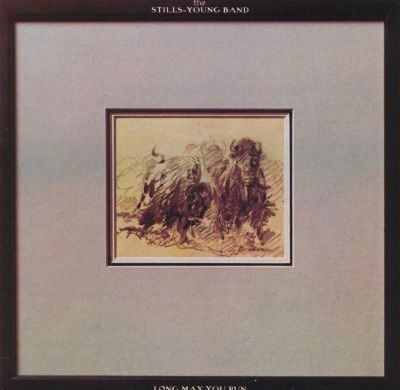
Long May You Run, Stills-Young Band (1976). Stephen Stills and Neil Young forming a band is a novel idea, one that barely lasted recording the album and a few concerts before Young bolted to return to his lone ways. Admittedly, this is not a classic album; Young’s songs are good, with the exception of the generic “Ocean Girl” and “Let it Shine”, and Stills’ songs are not his best. “Black Coral” and “Make You to You” from Stills grow on you after a couple of listens. This was a one-off album, and although it really wasn’t a real band, the musicians were top players.
Chicago VIII, Chicago (1975). Chicago had already begun to morph into a soft rock ballad machine. VIII is rougher than most Chicago albums, lacking a super hit, it still had “Old Days” and “Harry Truman.” The second to last album with guitarist Terry Kath, his playing here is angrier and looser than it had been lately. Imagine if he had lived and assumed the role in the band that he had in the beginning.
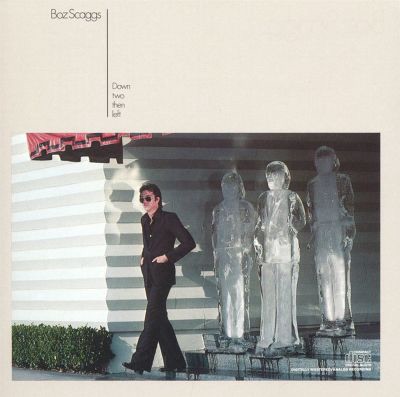
Down Two Then Left, Boz Scaggs (1977). Boz seemed to have trouble following up his 1976 hit Silk Degrees. A very competent and slick album, utilizing the same team as he had for Silk Degrees, the songwriting didn’t quite have the uniqueness and boldness of Silk Degrees. Scaggs would find those songs after pairing up with David Foster.
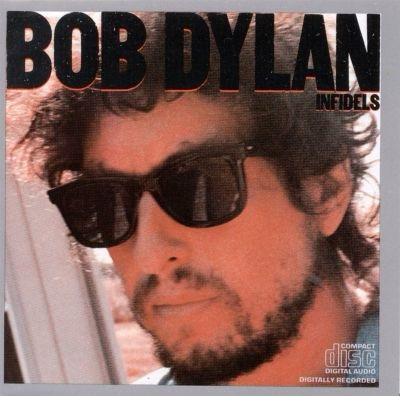
Infidels, Bob Dylan (1983). Exiting his Christian-themed albums, Dylan hooked up with Mark Knopfler of Dire Straits to produce and play on his album. Assembling an eclectic group of other musicians including Mick Taylor and the rhythm section of Sly & Robbie, Infidels is a pretty fine album, not a classic, but it’s a high point in a decade that gave Dylan some challenges.
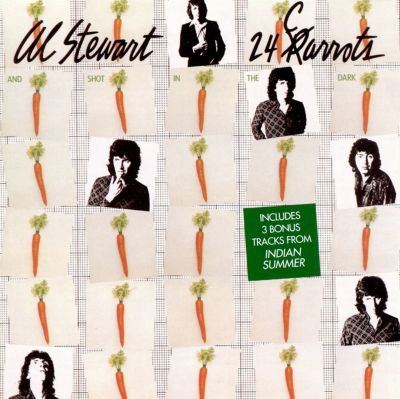
24 Carrots, Al Stewart (1980). A revered folk artist in the early 1970s, he found major success with Year of the Cat and then Time Passages, prior to this album. With collaborator Peter White aboard, this was Stewart’s last big label album as his career settled down a notch or two. A big production affair, 24 Carrots is very similar to Year of the Cat, but a quieter reception. Stewart kept touring and occasionally releasing an album, returning to more intimate audiences for his history-based songs. He’s on his final tour this year.
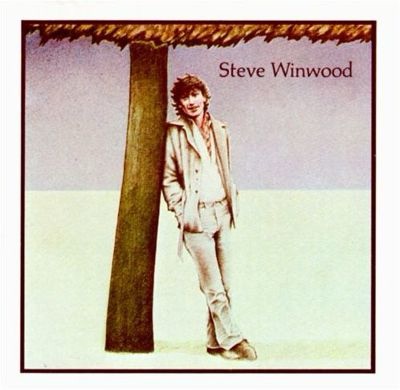
Steve Winwood, Steve Winwood (1977). This album was dismissed as a failure. Sounding a bit homemade, Winwood favors keyboards and little guitar, and brooding, jazz strokes. This album says little about what was going on in music at the time, although it’s soulful, don’t expect catchy R&B grooves. Listen deeper and you’ll hear familiar Winwood chord progressions and his vibe. He’s not repeating himself, but he’s trying to find his sound as a solo artist. Winwood veers away from a pop template, that has always been true of him, and he definitely avoids it here, but don’t write him off.
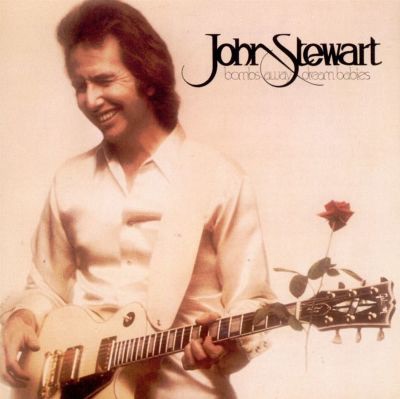
Bombs Away Dream Babies, John Stewart (1979). A former member of the Kingston Trio, Stewart had a long career as a folk solo performer. His greatest solo success came when he signed with Robert Stigwood’s RSO Records. Lindsey Buckingham and Stevie Nicks helped with Bombs Away Dream Babies, giving it a laidback pop sound. Three charting singles made this album an unexpected hit. He followed up with Dream Babies Go Hollywood a couple of years later although he never reached the heights of Bombs Away Dream Babies.
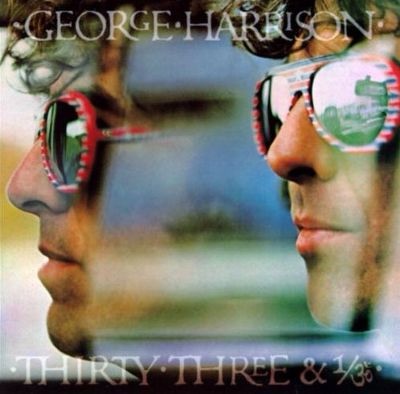
Thirty-Three & 1/3, George Harrison (1976). This was George Harrison’s age at the time. The previous few years had been hard on Harrison, a disappointing American concert tour, the lackluster Dark Horse album, legal issues with plagiarism, Beatles affairs, his record label and Allen Klein. Thirty-Three & 1/3 has a smooth, upbeat, contemporary feel, with several radio-friendly singles.
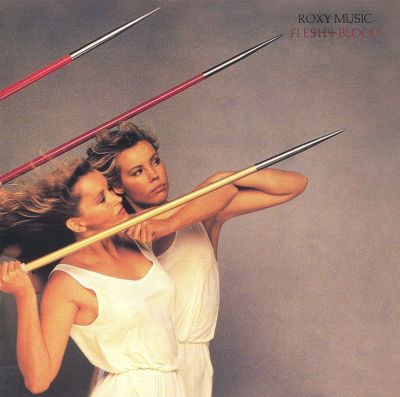
Flesh + Blood, Roxy Music (1980). Sandwiched between Manifesto and Avalon, Flesh + Blood, doesn’t have the grand scale or originality of those two albums, but it established its own pleasing sonic palette. In other words, it’s not meant to invent a new sound. Two covers are okay, there soft renditions of “In the Midnight Hour” and “Eight Miles High”. Originals like “Over You” and “Oh Yeah” are more interesting. Never really a rock band, Roxy Music is instead a fashionable art-rock band, with just enough avant-garde action to keep Bryan Ferry in tailored suits and fashion model girlfriends. Flesh + Blood is fashionably cool, it won’t change your life, but it might change your attitude.
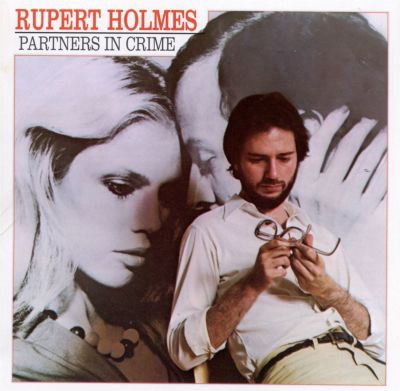
Partners in Crime, Rupert Holmes (1979) You’ve heard this song a million times, “Escape (The Pina Colada Song)” on the radio, and it’s probably playing in your head right now. Another song from this album, “Him” is even better. Holmes never approached rock star status or even soft rock star status, but he later became quite successful writing tunes for stage shows. His story sings are really good, a fine musician and arranger. These two songs are in regular rotation on SiriusXM’s yacht rock channel.
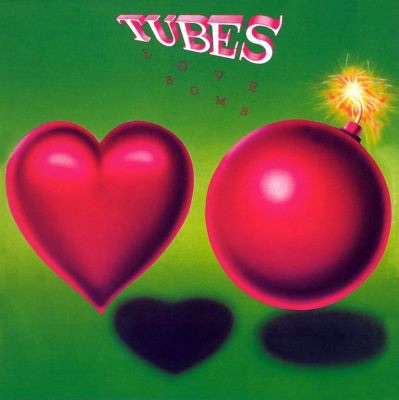
Love Bomb, The Tubes (1985). Some reviewers maligned this album, their first since Outside Inside (1983). After two very successful albums with producer David Foster, the band regrouped with Todd Rundgren. I love this album, but my opinion didn’t help; the band broke up. They would reform years later, but the funky weirdness of the 1970s was gone. The songs here are every bit as good at their Foster albums.
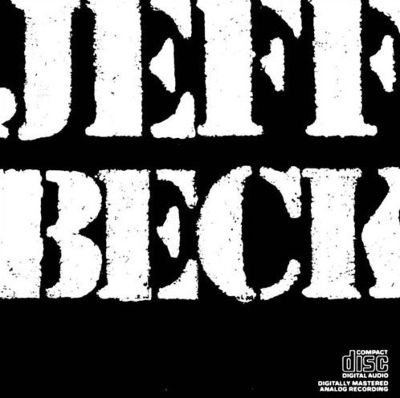
There and Back, Jeff Beck (1980). Four years since his last album and five years until the next one, Beck was not prolific at releasing albums. Whatever you call this music – jazz-rock, jazz-fusion – it doesn’t need vocals. A little bit Jan Hammer and a lot of Beck’s guitar.
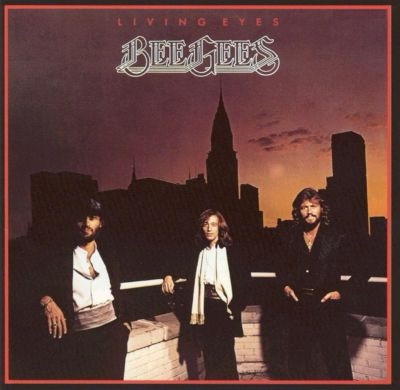
Lying Eyes, Bee Gees (1981). A lot of people looked forward to this day, when The Bee Gees released an album to mixed reviews and reduced sales. Lying Eyes was more a return to pre-Saturday Night Fever days, mellow, soft rock, totally not in sync with the world in 1981. Supposedly, even the Bee Gee distanced themselves from it. This album may not be great (it wasn’t), yet it was an enjoyable listen.



 Ticket 2 Ride
Leave a reply to Mike Miller Cancel reply